GST on Services in India: A Complete Guide
The Goods and Services Tax (GST) applies to most services provided in India, replacing the earlier Service Tax system. Whether you're a freelancer, consultant, IT company, marketing agency, contractor, healthcare provider, or any other service business, understanding GST on services is essential for tax compliance and efficient financial management.
GST ensures a uniform taxation system and allows eligible businesses to claim Input Tax Credit (ITC) on business-related purchases, reducing the overall tax burden.
What is GST on Services?
GST on services is the tax charged on the supply of taxable services in India. A registered service provider collects GST from customers and remits it to the government after adjusting eligible Input Tax Credit.
Examples of taxable services include:
- IT and Software Services
- Digital Marketing Services
- Consultancy Services
- Legal Services
- Accounting Services
- Interior Design
- Advertising Services
- Construction Services
- Event Management
- Maintenance and Repair Services
- Freelance Services
GST Rates on Services
Services are taxed at different GST rates depending on their classification.
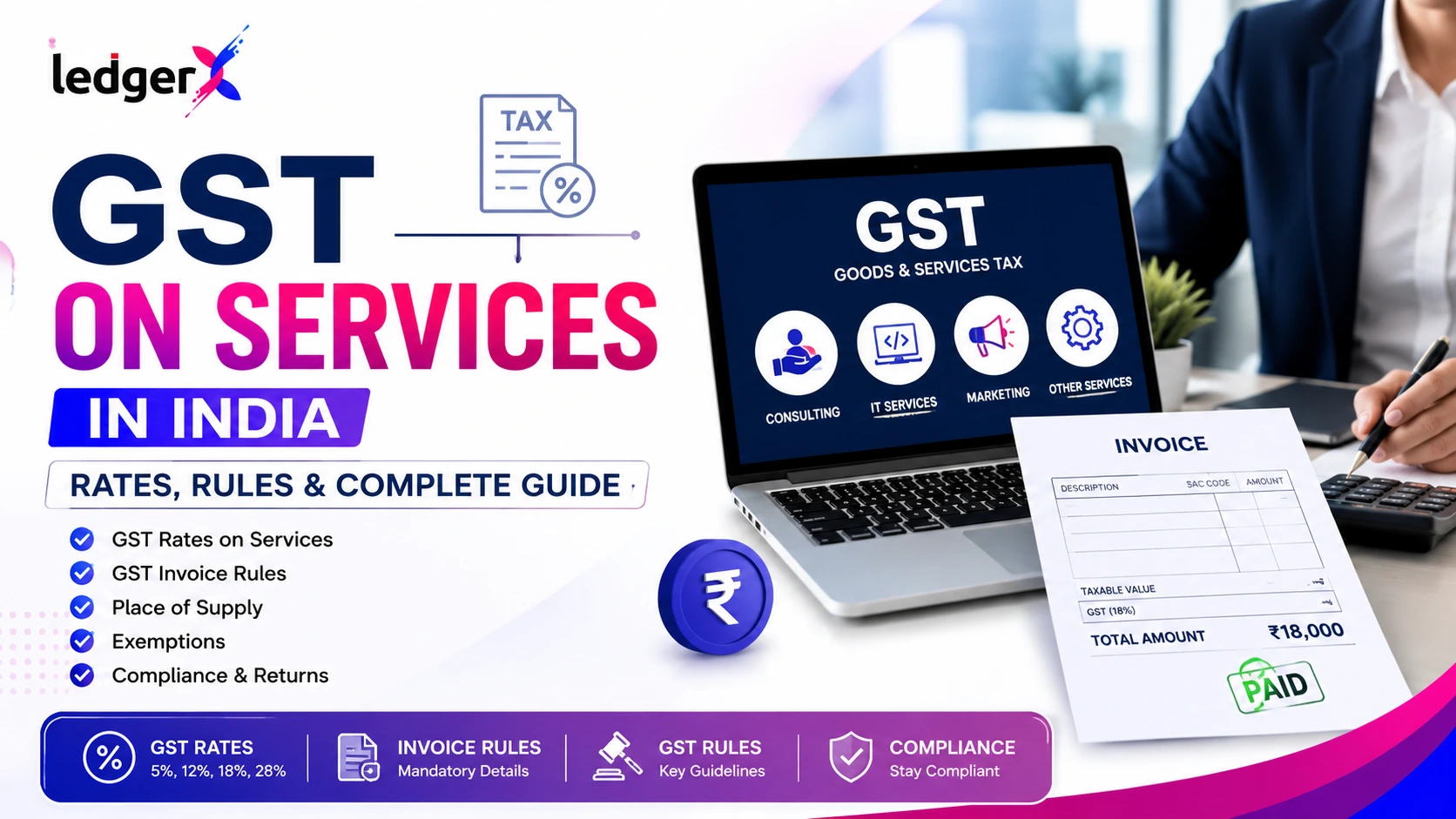
The commonly applicable GST rates are:
- 5% GST – Certain specified services
- 12% GST – Selected services
- 18% GST – Most professional and business services
- 28% GST – Specific luxury or high-tax services
The applicable rate depends on the type of service and the relevant GST notifications.
Who Should Register for GST?
Service providers may be required to obtain GST registration if they meet the applicable registration criteria under GST law.
GST registration may also be required in certain cases regardless of turnover, depending on the nature of the business or services provided.
GST Invoice Rules for Services
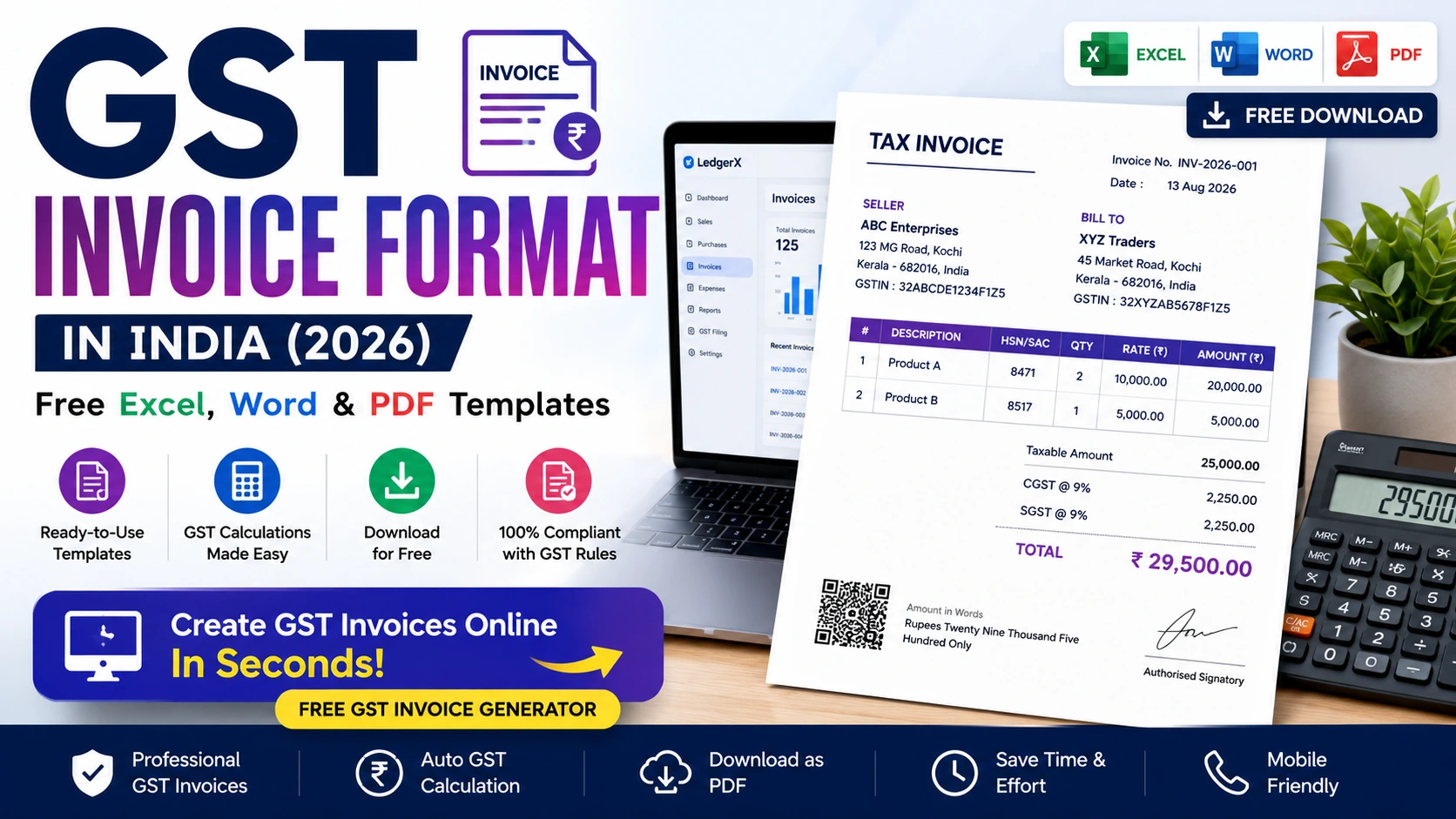
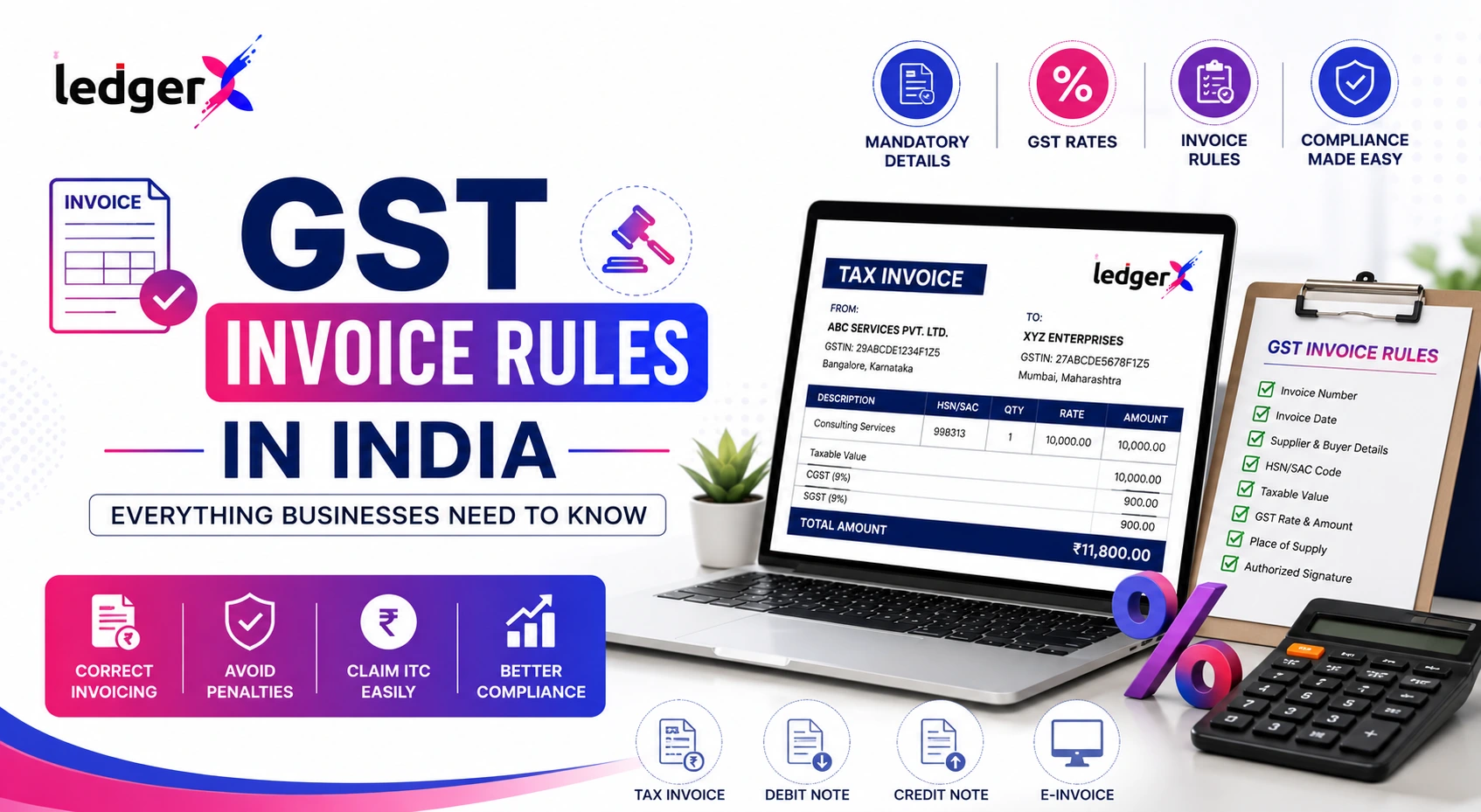
A GST invoice issued for services should generally contain:
- Business Name
- GSTIN
- Invoice Number
- Invoice Date
- Customer Details
- Description of Services
- SAC Code (where applicable)
- Taxable Value
- GST Rate
- CGST & SGST or IGST
- Total Invoice Amount
Maintaining GST-compliant invoices helps ensure accurate return filing and easier audits.
Input Tax Credit (ITC) on Services
Registered businesses can claim Input Tax Credit (ITC) on eligible GST paid for business-related purchases and expenses.
Common examples include:
- Office Rent
- Software Subscriptions
- Professional Fees
- Internet Charges
- Office Equipment
- Advertising Expenses
Proper invoices and accounting records are essential for claiming ITC.
GST Exempt Services
Certain services are exempt from GST under applicable laws and notifications.
Examples may include:
- Certain healthcare services
- Specified educational services
- Certain agricultural services
- Selected charitable activities
Businesses should verify the latest GST notifications to determine whether a service is taxable or exempt.
Common GST Mistakes by Service Providers
Avoid these common errors:
- Charging the wrong GST rate
- Delayed GST registration
- Incorrect SAC Code
- Missing GST invoices
- Incorrect place of supply
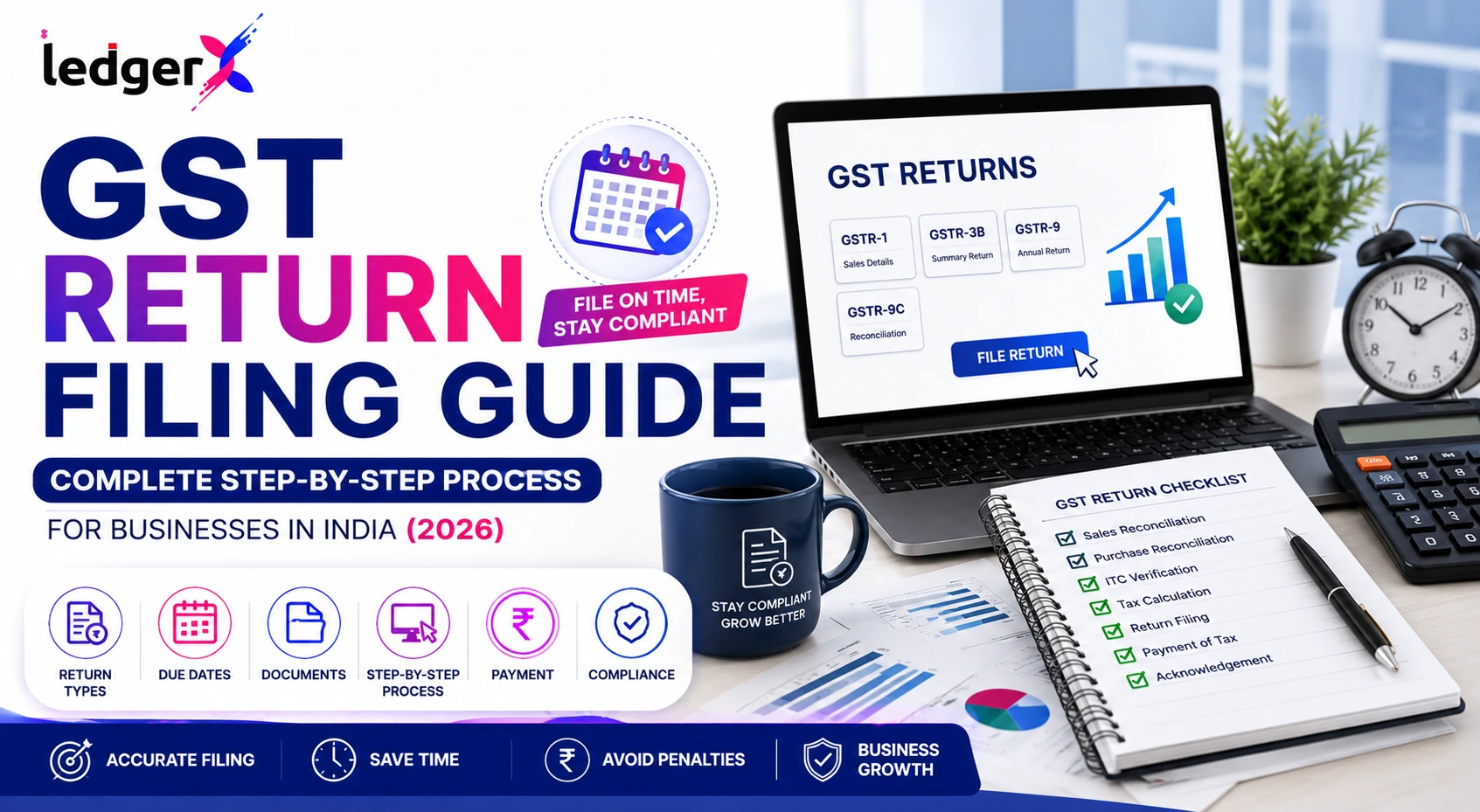
- Late GST return filing
- Incorrect ITC claims
- Poor record keeping
Maintaining accurate books of accounts helps reduce compliance risks.
Frequently Asked Questions (FAQs)
What is GST on services?
GST on services is the tax levied on the supply of taxable services in India under the Goods and Services Tax system.
What is the GST rate for services?
The GST rate depends on the type of service. Common rates include 5%, 12%, 18%, and 28%, with 18% applying to many professional services.
Is GST registration mandatory for service providers?
GST registration is mandatory only if the business meets the applicable legal conditions under the GST Act.
Can service providers claim Input Tax Credit?
Yes. Eligible registered businesses can claim Input Tax Credit on qualifying business expenses, subject to GST provisions.
Conclusion
Understanding GST on services is essential for every service-based business. Proper GST registration, accurate invoicing, timely return filing, and maintaining organized financial records help businesses remain compliant and avoid penalties.
Managing GST manually can become difficult as your business grows. LedgerX Accounting Software helps service providers create GST-compliant invoices, manage customer billing, record income and expenses, calculate GST automatically, generate GST-ready reports, and maintain accurate financial records from one centralized platform. Whether you're a freelancer, consultant, agency, or growing business, LedgerX simplifies GST accounting and everyday bookkeeping.