How to Track Business Expenses and Improve Profitability
Running a profitable business is not just about increasing sales. It also requires understanding how much money the business spends, where that money goes, and whether those expenses contribute to growth.
For many Indian small businesses, expenses include rent, salaries, inventory purchases, transportation, utilities, marketing, software subscriptions and other operating costs. When these transactions are recorded inconsistently or reviewed only at the end of the year, it becomes difficult to identify unnecessary spending and understand the actual financial performance of the business.
Business expense tracking helps solve this problem. By recording, categorizing and reviewing expenses regularly, business owners can make informed decisions, manage cash flow more effectively and identify opportunities to improve profitability.
In this guide, we explain how to track business expenses, categorize costs, calculate profitability, avoid common mistakes and use accounting software to simplify expense management.
What Is Business Expense Tracking?
Business expense tracking is the process of recording, categorizing, organizing and reviewing the money a business spends on its operations.
It includes maintaining records of payments, purchases, bills, receipts and other expenses so that business owners can understand their costs and prepare accurate financial reports.
For example, a retail shop may spend money on inventory, shop rent, electricity, employee salaries, packaging and transportation. Recording these expenses under appropriate categories helps the owner understand the cost of operating the shop.
Business expense tracking can be performed using spreadsheets, accounting registers or accounting software. The important requirement is that transactions are recorded consistently and supported by appropriate documentation.
Why is expense tracking important?
Effective expense tracking helps businesses:
- Understand where money is being spent.
- Identify unnecessary or unusually high costs.
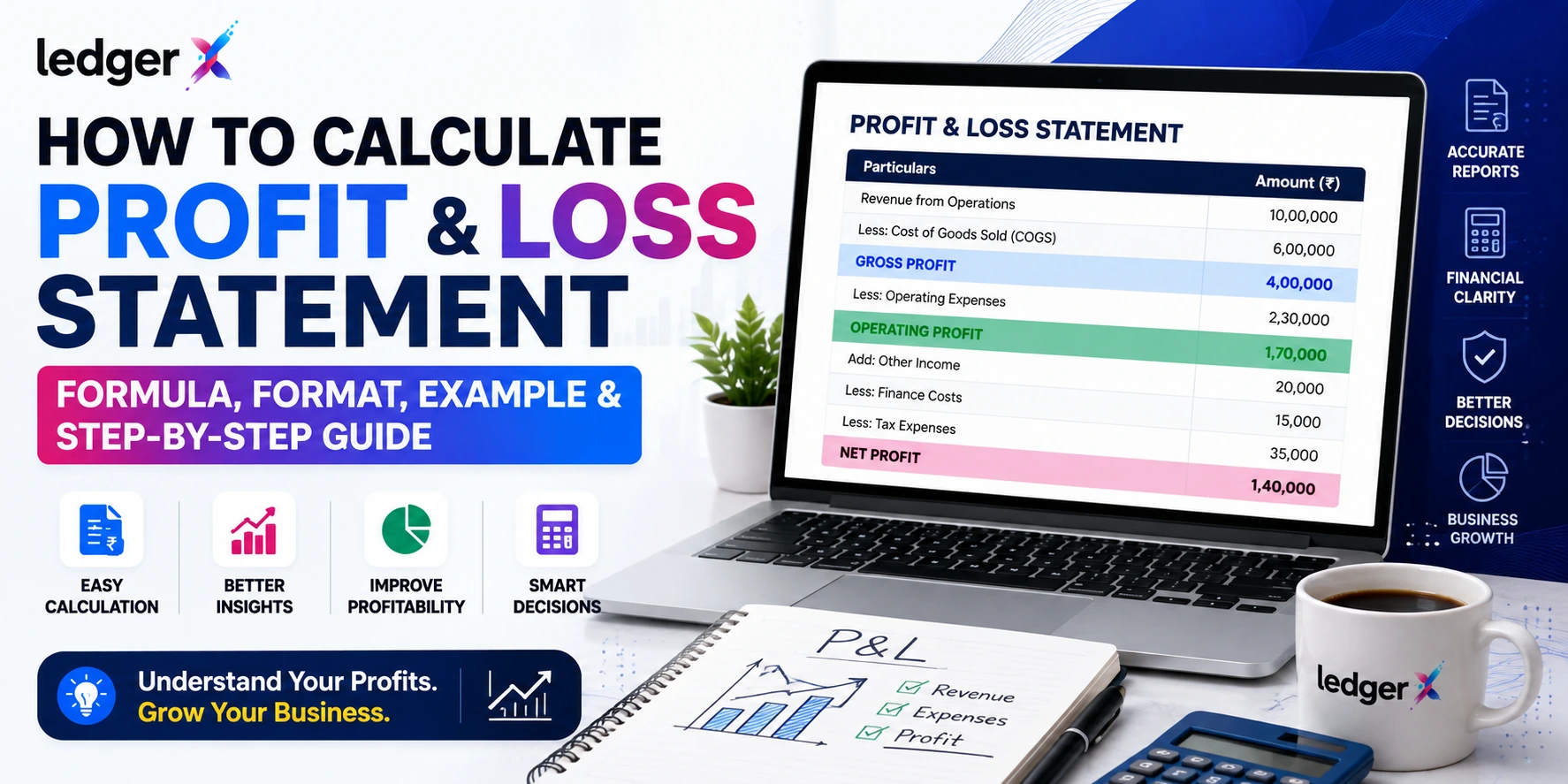
- Prepare more reliable Profit and Loss reports.
- Monitor cash outflows and upcoming payments.
- Maintain organized accounting records.
- Support tax preparation and compliance work.
- Compare expenses across different periods.
- Make better budgeting and purchasing decisions.
Expense tracking does not automatically increase profit. Its value comes from helping business owners identify problems and take appropriate action.
1. Identify and Record All Business Expenses
The first step is to ensure that business expenses are not overlooked.
Small payments may appear insignificant individually, but their combined impact can be substantial over a month or a year. Recording only major expenses can result in incomplete financial information.
Common business expenses include:
Operating expenses
- Rent and maintenance.
- Electricity, internet and telephone bills.
- Office supplies.
- Repairs and maintenance.
- Software subscriptions.
- Advertising and marketing.
Employee-related expenses
- Salaries and wages.
- Employee benefits.
- Recruitment and training costs.
- Business travel reimbursements.
Selling and distribution expenses
- Transportation and delivery.
- Packaging materials.
- Sales commissions.
- Warehousing and distribution costs.
Financial and administrative expenses
- Bank charges.
- Professional fees.
- Interest expenses, where applicable.
- Accounting and compliance services.
Inventory purchases, equipment purchases, loan repayments and certain other payments may require different accounting treatment rather than being recorded entirely as ordinary operating expenses. Their classification depends on the nature of the transaction and applicable accounting principles.
How to maintain complete records
For every transaction, record the date, amount, description, expense category, payment method and relevant supporting document.
Where applicable, also maintain the supplier's details, invoice number, GST information and payment reference.
Record transactions promptly instead of waiting until the end of the month. This reduces the risk of forgotten payments and makes it easier to investigate discrepancies.
2. Categorize Expenses to Understand Where Money Goes
Recording expenses is useful, but categorizing them makes the information easier to analyze.
When all transactions are recorded under a single category, it becomes difficult to determine which activities consume the most money.
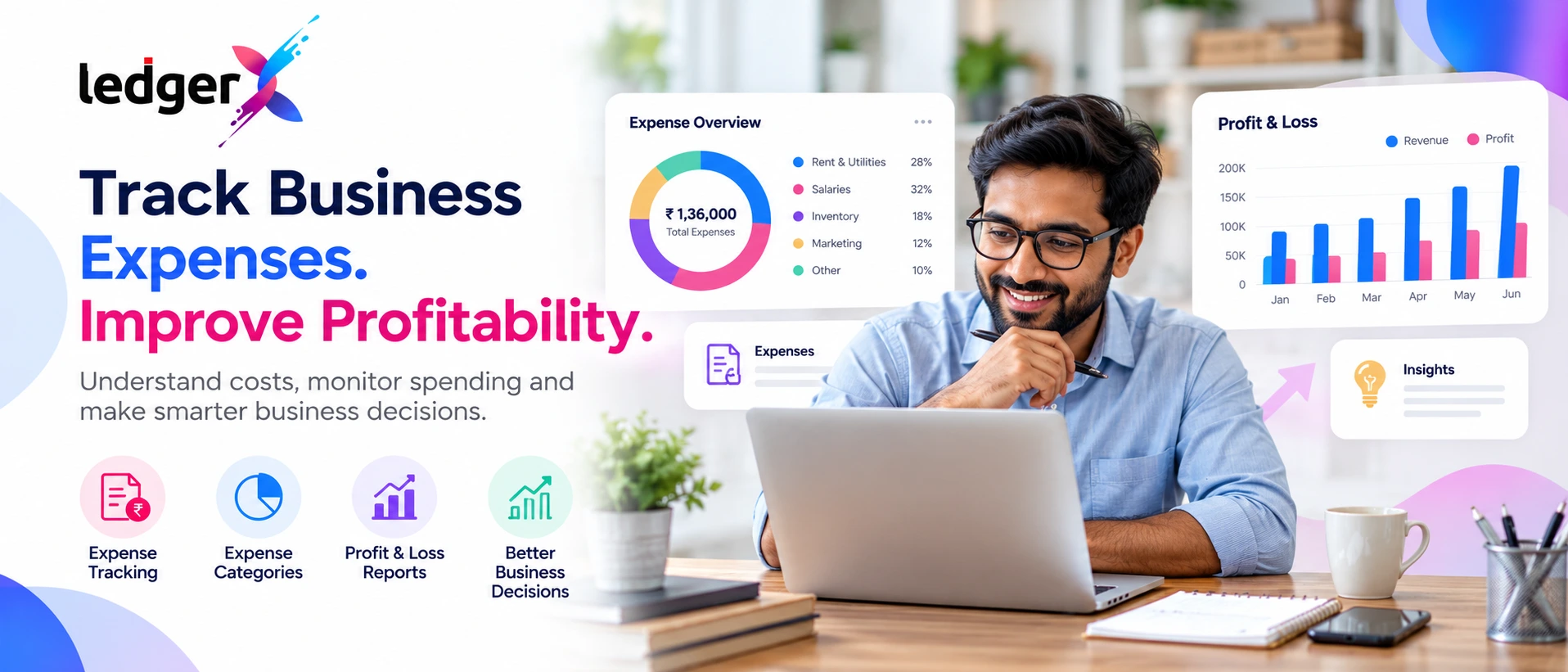
A well-organized expense structure can include categories such as rent, salaries, utilities, transportation, marketing, repairs, professional fees and software subscriptions.
The appropriate categories depend on the type and size of the business.
Example: Monthly expense breakdown
Consider a small trading business with the following monthly expenses.
| Expense category | Monthly amount |
|---|---|
| Rent | ₹20,000 |
| Salaries | ₹60,000 |
| Transportation | ₹15,000 |
| Utilities and internet | ₹5,000 |
| Marketing | ₹10,000 |
| Other operating expenses | ₹10,000 |
| Total expenses | ₹1,20,000 |
This breakdown shows that salaries account for the largest expense category in this example.
That does not mean salaries should automatically be reduced. Instead, the owner can examine staffing requirements, productivity and sales performance before deciding whether any change is necessary.
Similarly, transportation costs can be compared across months to determine whether delivery charges are increasing or whether alternative arrangements may be more economical.
Benefits of expense categorization
Categorized expenses help business owners:
- Identify their largest cost categories.
- Compare actual spending against budgets.
- Understand changes in operating costs.
- Identify recurring subscriptions and charges.
- Evaluate whether spending supports business objectives.
Consistent categorization is also important when preparing financial statements and comparing results across different periods.
3. Separate Business and Personal Expenses
Mixing personal and business transactions can make accounting more complicated.
For example, if a business owner pays household expenses from a business bank account without recording the transactions correctly, the business records may not accurately reflect operating costs.
Similarly, using personal funds to pay business expenses without documenting the transaction can create confusion when reviewing business accounts.
How to avoid this problem
- Use a dedicated business bank account where practical.
- Keep personal and business payment methods separate.
- Record business expenses paid using personal funds.
- Document money introduced into or withdrawn from the business appropriately.
- Retain supporting receipts and invoices.
- Review transactions regularly to identify personal items mistakenly recorded as business expenses.
The accounting treatment of owner withdrawals, capital contributions and reimbursements depends on the business structure and transaction details.
Keeping these records separate improves clarity and makes financial reporting more reliable.
4. Review Expenses Against Revenue
Expense tracking becomes more valuable when spending is compared with business performance.
An expense amount by itself does not tell the complete story. A business spending ₹50,000 on marketing may be performing well if the campaign generates profitable sales. The same expenditure may need closer review if it produces little measurable business value.
Business owners should compare expenses with revenue, gross profit and net profit over suitable periods.
Example: Understanding rising costs
Suppose a business records the following results over two months.
| Particulars | Month 1 | Month 2 |
|---|---|---|
| Revenue | ₹5,00,000 | ₹5,50,000 |
| Cost of goods sold | ₹3,00,000 | ₹3,30,000 |
| Gross profit | ₹2,00,000 | ₹2,20,000 |
| Operating expenses | ₹1,50,000 | ₹1,80,000 |
| Profit before other applicable items | ₹50,000 | ₹40,000 |
Revenue increased by ₹50,000, and gross profit increased by ₹20,000. However, operating expenses increased by ₹30,000.
As a result, the amount remaining before other applicable items decreased from ₹50,000 to ₹40,000.
This example shows why increasing sales does not always lead to higher profit. Expenses must be monitored alongside revenue.
The figures are illustrative. Actual financial statements may include other income, finance costs, depreciation, taxes and additional adjustments.
5. Calculate and Monitor Profit Margins
Profit margins help business owners understand how much of their revenue remains after particular costs are deducted.
Two useful measures are gross profit margin and net profit margin.
Gross profit margin
Gross profit margin indicates the proportion of revenue remaining after deducting the cost of goods sold or the applicable cost of sales.
Formula:
Gross Profit Margin = (Gross Profit ÷ Revenue) × 100
For example, if a business earns ₹5,00,000 in revenue and its cost of goods sold is ₹3,00,000:
Gross Profit = ₹5,00,000 − ₹3,00,000 = ₹2,00,000
Gross Profit Margin = (₹2,00,000 ÷ ₹5,00,000) × 100 = 40%
This means the business retains ₹40 as gross profit for every ₹100 of revenue before operating expenses and other applicable costs.
Net profit margin
Net profit margin measures the proportion of revenue remaining as net profit after accounting for the relevant expenses and other applicable items.
Formula:
Net Profit Margin = (Net Profit ÷ Revenue) × 100
Suppose a business earns ₹5,00,000 in revenue and records ₹40,000 in net profit.
Net Profit Margin = (₹40,000 ÷ ₹5,00,000) × 100 = 8%
The business earns ₹8 in net profit for every ₹100 of revenue.
Why should businesses track margins?
Monitoring margins over time helps identify whether costs are growing faster than revenue, whether selling prices need review, or whether purchasing and operating costs require closer attention.
Margins should be compared with previous periods and relevant industry benchmarks. A suitable margin varies by industry, business model and operating conditions.
6. Create an Expense Budget and Monitor Variances
An expense budget sets expectations for how much a business plans to spend over a particular period.
A budget helps business owners plan recurring costs and identify unexpected spending before it becomes a larger problem.
How to prepare a simple expense budget
Step 1: Review historical expenses.
Examine previous months' records to understand recurring costs and seasonal variations.
Step 2: Estimate upcoming requirements.
Consider planned purchases, staffing changes, marketing campaigns, rent increases and other expected expenses.
Step 3: Set category-wise limits.
Create reasonable spending limits for relevant categories.
Step 4: Compare actual spending with the budget.
Review the difference between planned and actual expenses.
Step 5: Investigate significant differences.
Determine whether the difference resulted from a genuine business requirement, an unexpected cost, a recording error or unnecessary spending.
For example, if a business budgets ₹12,000 for transportation but spends ₹18,000, the owner should investigate the ₹6,000 difference.
The increase may result from higher sales volume, additional delivery distances or rising transportation rates. The appropriate response depends on the reason.
A budget should guide decisions rather than prevent spending that is necessary for business growth.
7. Identify Opportunities to Reduce Unnecessary Costs
The objective of expense management is not to reduce every cost. It is to spend money effectively while protecting the quality of products, services and operations.
Once expense records are organized, business owners can review recurring costs and identify potential savings.
Practical ways to control business expenses
Review recurring subscriptions.
Check whether software subscriptions and other recurring services are still required. Cancel or change services that no longer provide sufficient value.
Compare supplier prices.
Review supplier rates periodically while considering quality, reliability, payment terms and delivery requirements.
Reduce avoidable wastage.
Examine packaging, materials, utilities and other resources for preventable waste.
Improve inventory planning.
For businesses that maintain stock, better purchasing decisions can help reduce avoidable storage costs, obsolete inventory and unnecessary working-capital commitments.
Review marketing performance.
Compare marketing expenditure with relevant business outcomes rather than evaluating campaigns only by their cost.
Avoid duplicate payments.
Maintain organized supplier invoices and payment records to reduce the risk of paying the same bill more than once.
Review expense trends regularly.
Compare current expenses with previous periods and investigate unusual increases.
A cost reduction should be evaluated against its effect on revenue, productivity, service quality and long-term growth.
8. Understand the Difference Between Expenses and Cash Outflows
Not every cash outflow is treated as an expense in the same way.
This distinction is important when tracking business finances.
For example, purchasing office supplies for immediate use may be recorded as an expense, subject to the applicable accounting treatment. Purchasing a long-term asset, such as equipment, may instead require capitalization and depreciation over its useful life.
Similarly, repaying the principal portion of a loan reduces the outstanding liability but is not itself an operating expense. Interest charges may be recognized as expenses under the applicable accounting treatment.
Inventory purchases may be recorded as inventory until the relevant goods are sold or otherwise accounted for. The cost of goods sold is then recognized according to the applicable accounting method.
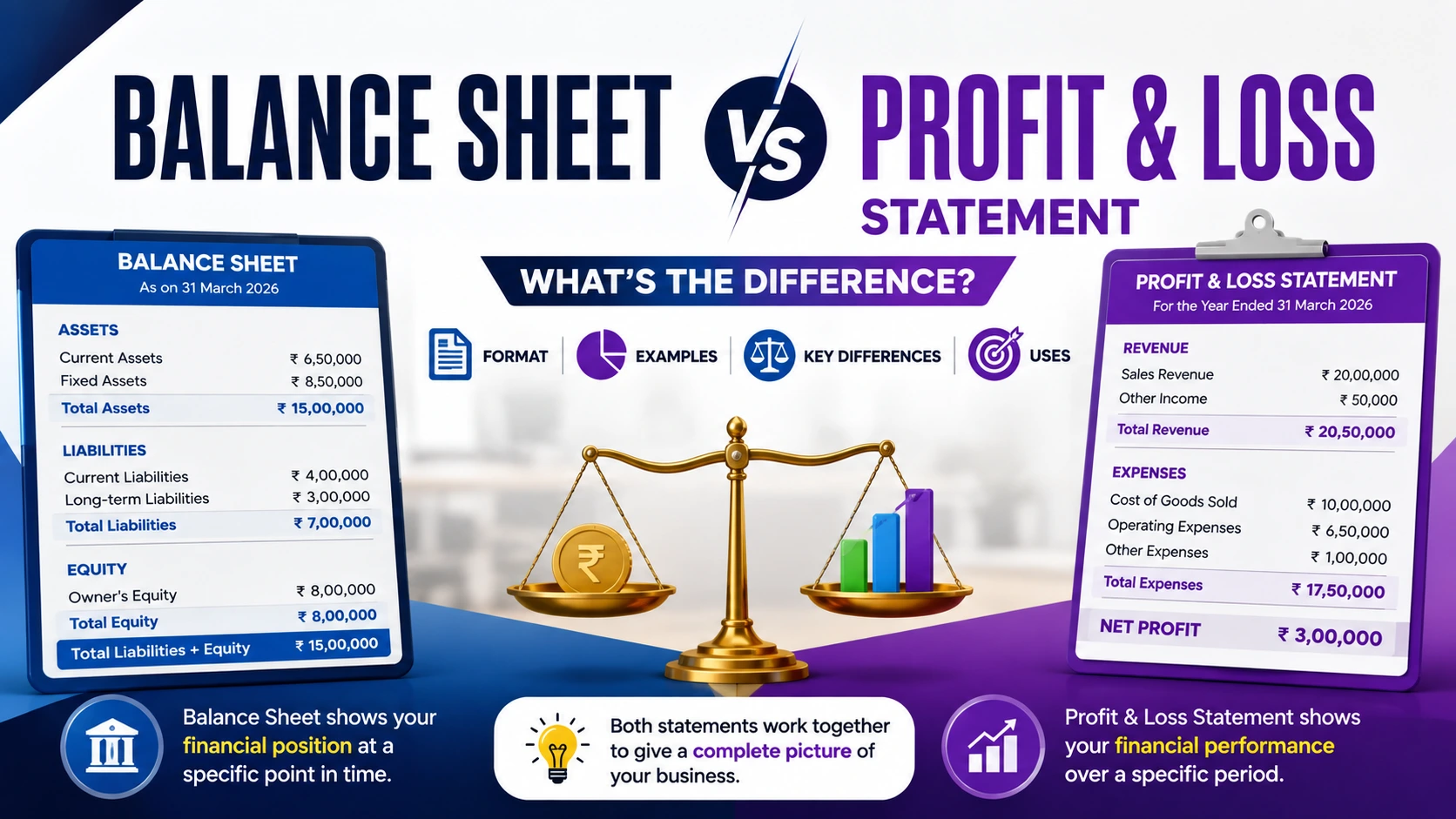
These distinctions affect the Profit and Loss statement and Balance Sheet.
Businesses should classify transactions appropriately and consult an accountant when the correct treatment is uncertain. Incorrectly recording every payment as an expense can distort reported profitability.
9. Use Accounting Software to Simplify Expense Tracking
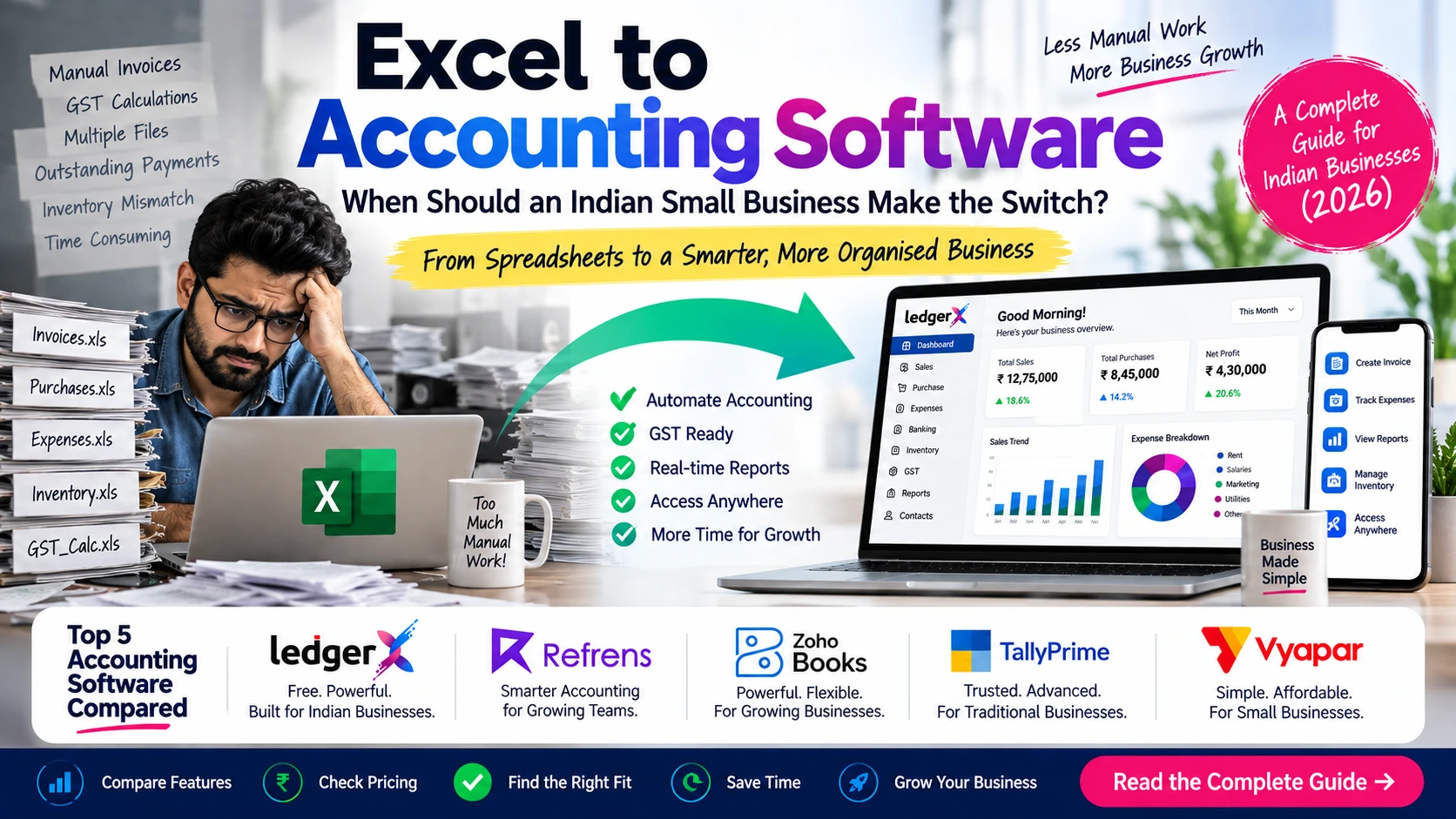
Spreadsheets may be sufficient for a business with very few transactions. As transaction volumes increase, however, maintaining expense records manually can become more time-consuming.
Accounting software can help businesses organize transactions, maintain expense categories, connect expense records with other accounting activities and generate financial reports.
When evaluating expense tracking software, consider whether it supports:
- Recording and categorizing expenses.
- Maintaining supplier and transaction details.
- Recording purchases and related payments.
- Reviewing expense accounts and balances.
- Generating Profit and Loss and other financial reports.
- Exporting records for further analysis or professional review.
- Managing access to business financial information.
The appropriate solution depends on the business's requirements, transaction volume and accounting workflow.
How LedgerX helps with business expense tracking
LedgerX is a cloud-based accounting and GST billing application developed for Indian businesses.
It brings expense management together with other business accounting activities, helping business owners and accountants maintain organized financial records.
Relevant LedgerX features include:
Expense recording: Record business expenses and maintain them within the accounting system.
Sales and purchase management: Maintain transaction records alongside relevant accounting information.
Customer and supplier management: Organize customer and supplier information and relevant account balances.
GST billing: Create GST and non-GST invoices and maintain sales records.
Financial reports: Review Profit and Loss, Balance Sheet and other accounting reports to understand recorded financial performance.
Inventory management: Manage inventory-related records for businesses that handle products.
These features help connect everyday transactions with the financial information businesses need to review.
LedgerX does not eliminate the need for accurate data entry, correct expense classification or periodic accounting reviews. Its usefulness depends on how consistently and correctly the business maintains its records.
Explore LedgerX accounting software to review its available features and determine whether they fit your business requirements.
10. Establish a Regular Expense Review Routine
Expense tracking works best when it becomes part of normal business operations.
A simple review schedule can help prevent records from accumulating and make it easier to identify issues early.
Daily or as transactions occur
- Record business expenses promptly.
- Retain receipts and supporting invoices.
- Classify transactions appropriately.
- Record relevant payment details.
Weekly
- Review recent transactions.
- Check for missing supporting documents.
- Identify duplicate entries or unusual payments.
- Review important supplier dues.
Monthly
- Compare expenses with the budget.
- Review major expense categories.
- Compare revenue, gross profit and net profit.
- Investigate significant changes in costs.
- Review the Profit and Loss statement.
- Organize records for accounting and tax-related work.
Quarterly or periodically
- Review recurring subscriptions and supplier arrangements.
- Compare expense trends over longer periods.
- Evaluate whether cost-control measures are working.
- Reassess the expense budget based on business performance.
The frequency can be adjusted to the size of the business and the volume of transactions. Businesses with high transaction volumes may need more frequent reviews.
Frequently Asked Questions
What is the best way to track business expenses?
Record expenses promptly, categorize them consistently, retain supporting documents and review spending regularly. Accounting software can help organize transactions and generate reports as the business grows.
How can I track business expenses in India?
Indian businesses can maintain expense records using accounting software, spreadsheets or other appropriate recordkeeping systems. Records should include relevant dates, amounts, descriptions, categories, payment details and supporting documents. GST-related information should be retained where applicable.
How can expense tracking improve profitability?
Expense tracking helps identify unnecessary spending, unusual cost increases and opportunities to improve efficiency. By comparing expenses with revenue and profit margins, business owners can make more informed decisions about pricing, purchasing and operating costs.
Should I record every small business expense?
Yes, relevant business expenses should be recorded consistently, including small transactions. Small costs can accumulate over time, and missing transactions can make financial reports less reliable.
Can I track expenses using spreadsheets?
Yes. Spreadsheets can work for businesses with relatively few transactions and simple requirements. However, growing transaction volumes may make manual updates, categorization and reporting more difficult to maintain.
Can accounting software generate expense reports?
Accounting software with suitable reporting capabilities can organize recorded expenses and present financial information through relevant reports. The reports depend on the software's features and the quality of the underlying records.
Is every business payment an expense?
No. Some payments may relate to assets, inventory, loan principal repayments, owner withdrawals or other balance-sheet transactions. Their accounting treatment depends on the nature of the transaction and applicable accounting principles.
How often should I review business expenses?
Many small businesses benefit from recording expenses as they occur, reviewing transactions weekly and analyzing expense categories and financial reports monthly. Businesses with higher transaction volumes may need more frequent reviews.
Can LedgerX help manage expenses and profitability?
LedgerX provides expense management and financial reporting features that help businesses organize expenses and review their recorded financial performance. Business owners can use these records to analyze costs and make informed decisions.
Conclusion
Tracking business expenses is an essential part of managing a profitable business. It helps owners understand where money goes, identify unnecessary spending, monitor operating costs and make better financial decisions.
A consistent process involves recording transactions promptly, categorizing expenses correctly, reviewing budgets, monitoring profit margins and maintaining reliable financial reports.
As a business grows, accounting software can help organize these activities and reduce the effort required to maintain financial records.
LedgerX brings expense management together with GST billing, sales and purchase records, inventory management and financial reporting. For Indian business owners who want to manage their accounting more systematically, it offers a platform to explore.
Start organizing your business accounts with LedgerX: https://ledgerx.biz/
Disclaimer: This article is for general informational purposes and does not constitute professional accounting, financial or tax advice. Accounting treatment depends on the facts of each transaction and applicable requirements. Consult a qualified professional when necessary.